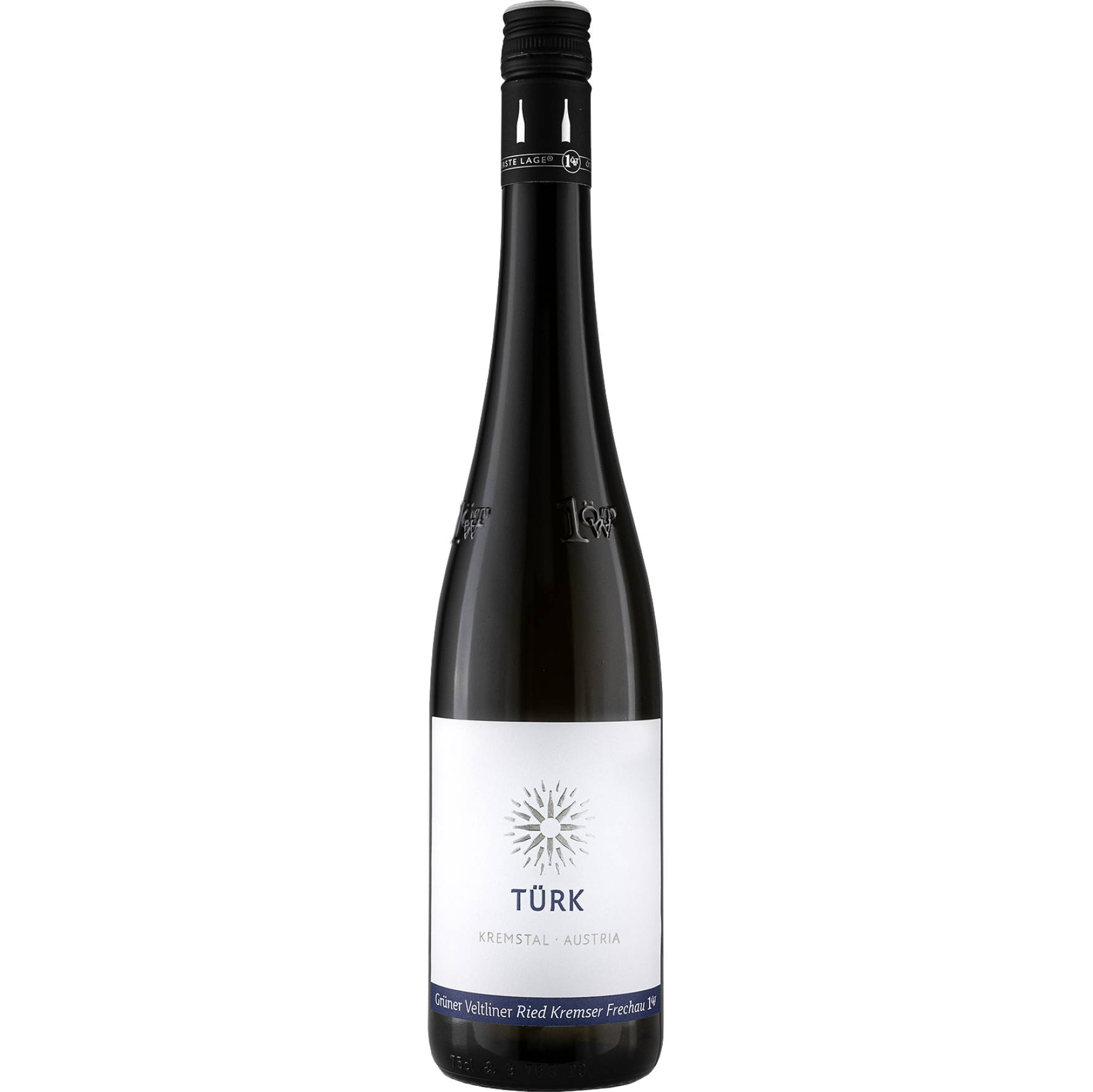
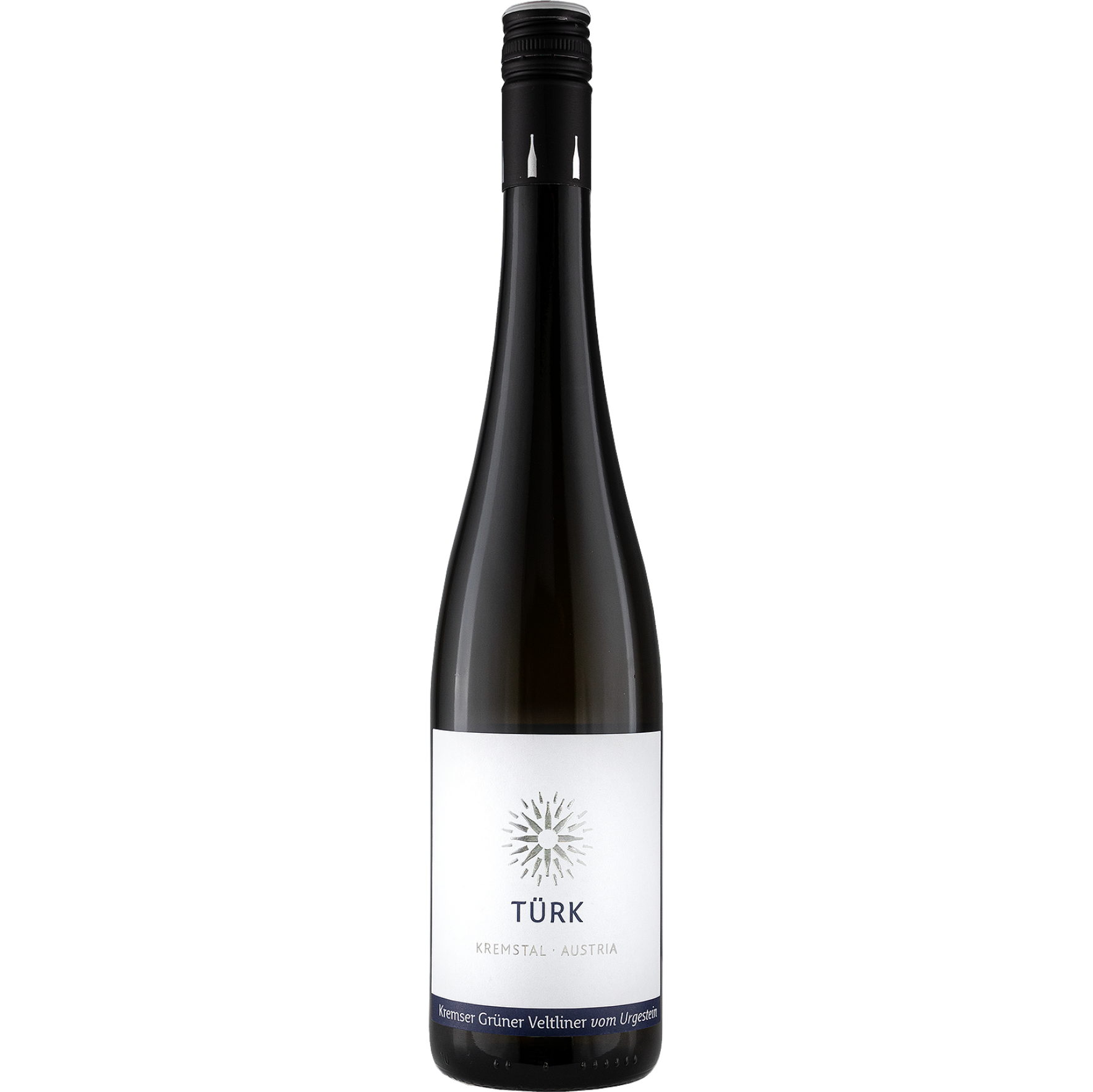
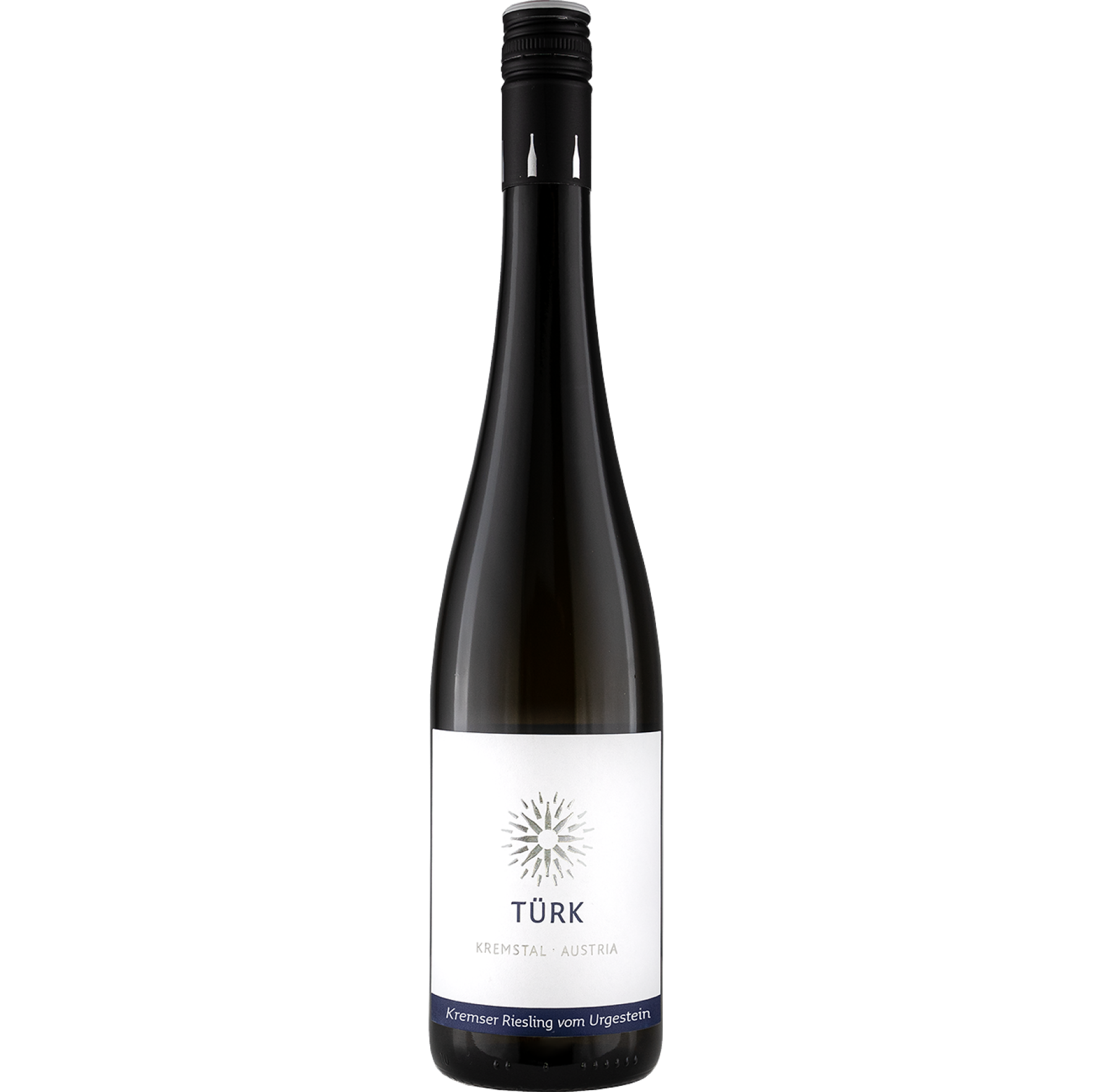
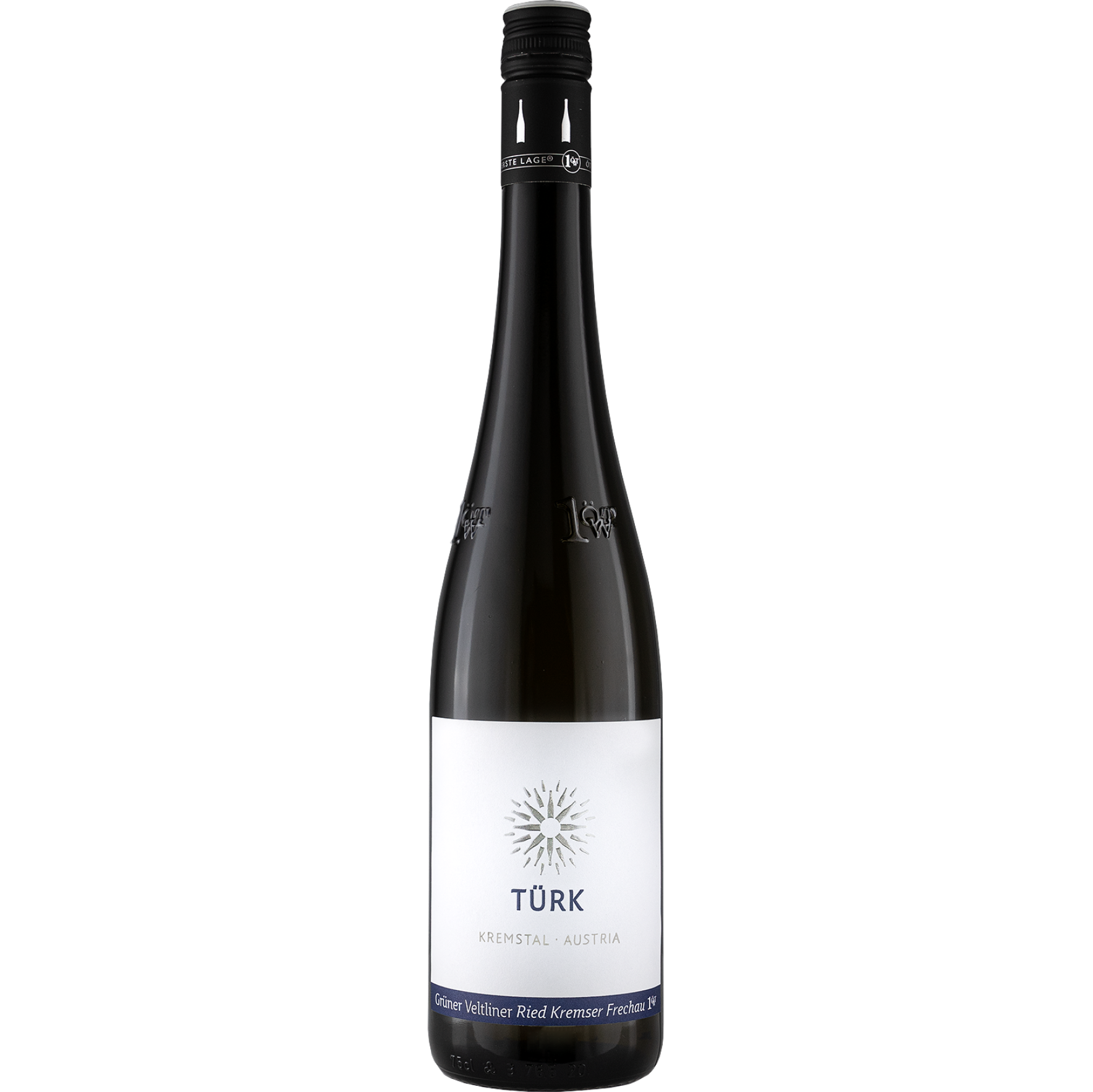
“Wir verkaufen keine jungen, fruchtbetonten Weine.” — we do not sell young, fruit-driven wines. That single line places Weingut Türk firmly outside the fashion. In a country where Grüner Veltliner is often bottled as quickly as possible, this estate lets its wines mature on the lees and bottles them only when they are ready. Open a Türk Veltliner and you will rarely meet the bright, nervy fruit the grape is known for, but something calmer and more broadly woven.
The estate looks back on more than three hundred years of winegrowing. The Türk family has been at the present address on the Kirchengasse in Stratzing, the village on the slope above Krems, since 1836. Franz Türk runs the business today, together with his wife Margit and their children Caroline, Manuel and Alexander. Alexander, trained at the Klosterneuburg wine school, now works alongside his father in the cellar and is leaving his own mark on the house style.
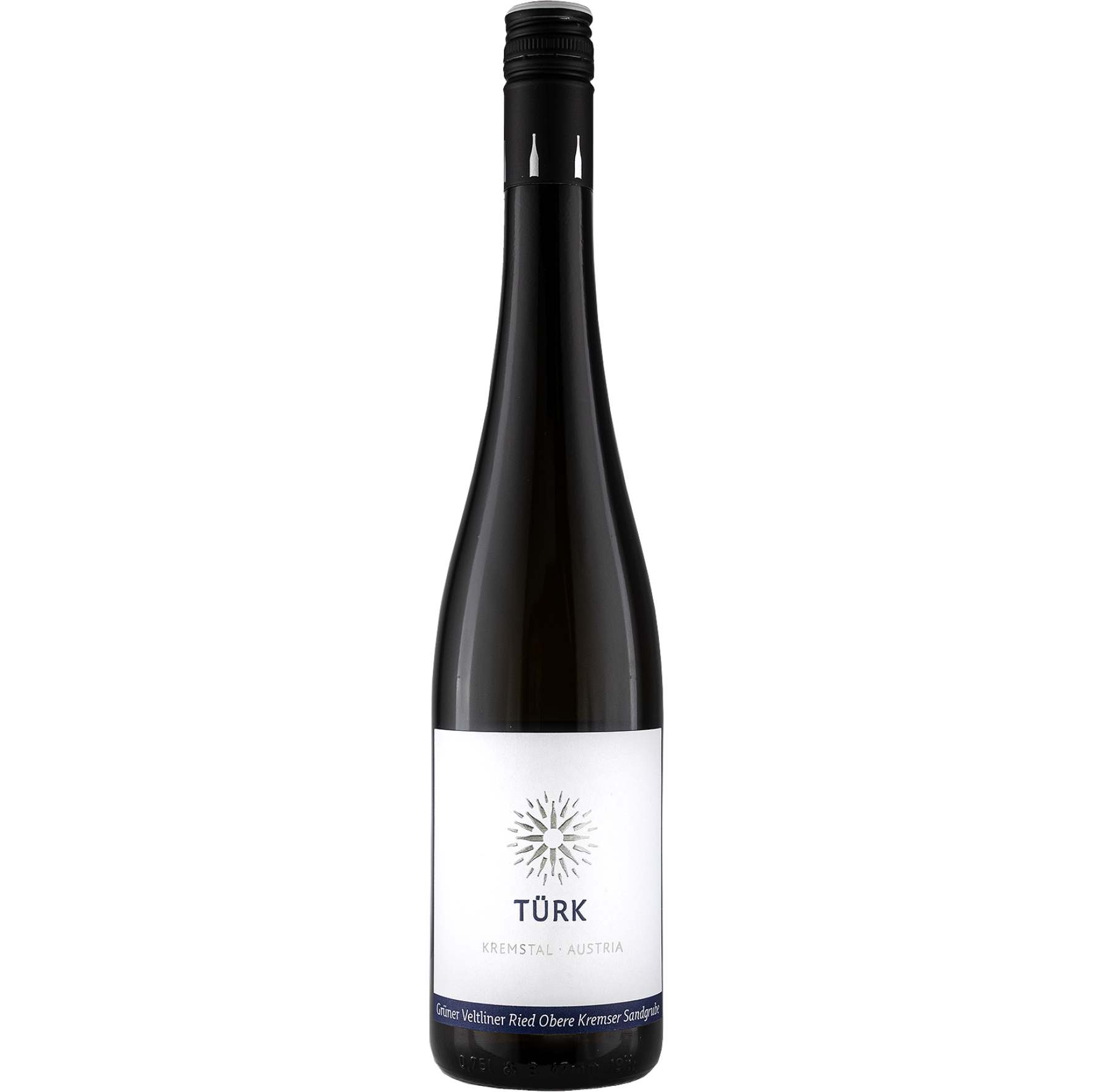
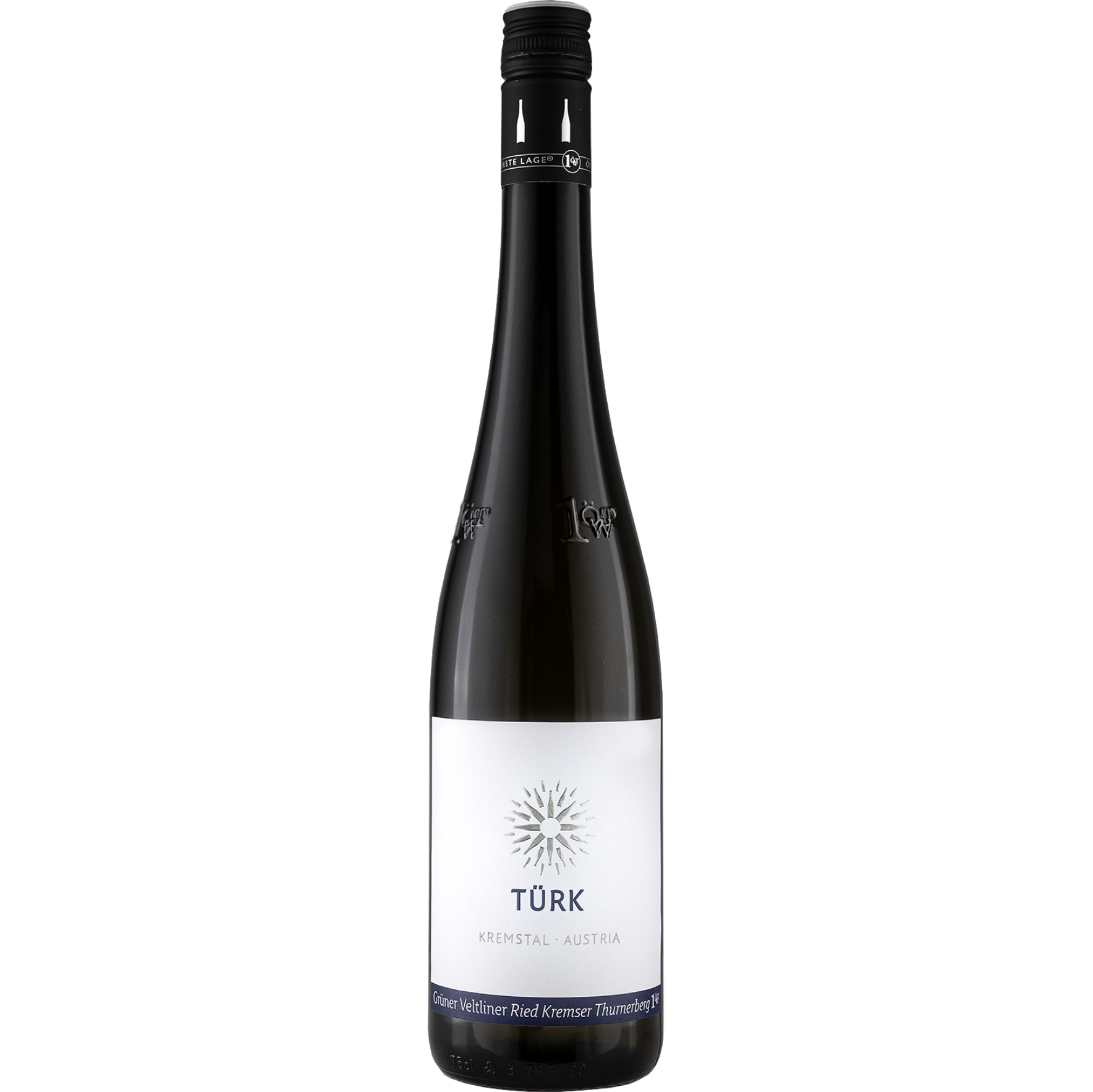
The seventeen hectares are spread across the best slopes around Krems, and more than three quarters are planted to Grüner Veltliner. The Ried Kremser Frechau — first recorded in 1204 — sits on loess up to twenty metres deep, with vines planted in 1966. The Ried Kremser Thurnerberg is its opposite: coarse gravel from the ancient Danube, with stones up to thirty centimetres across, giving the wine tension and a savoury, almost saline edge. The estate also works the Obere Kremser Sandgrube and, for Riesling, the Kremser Wachtberg.
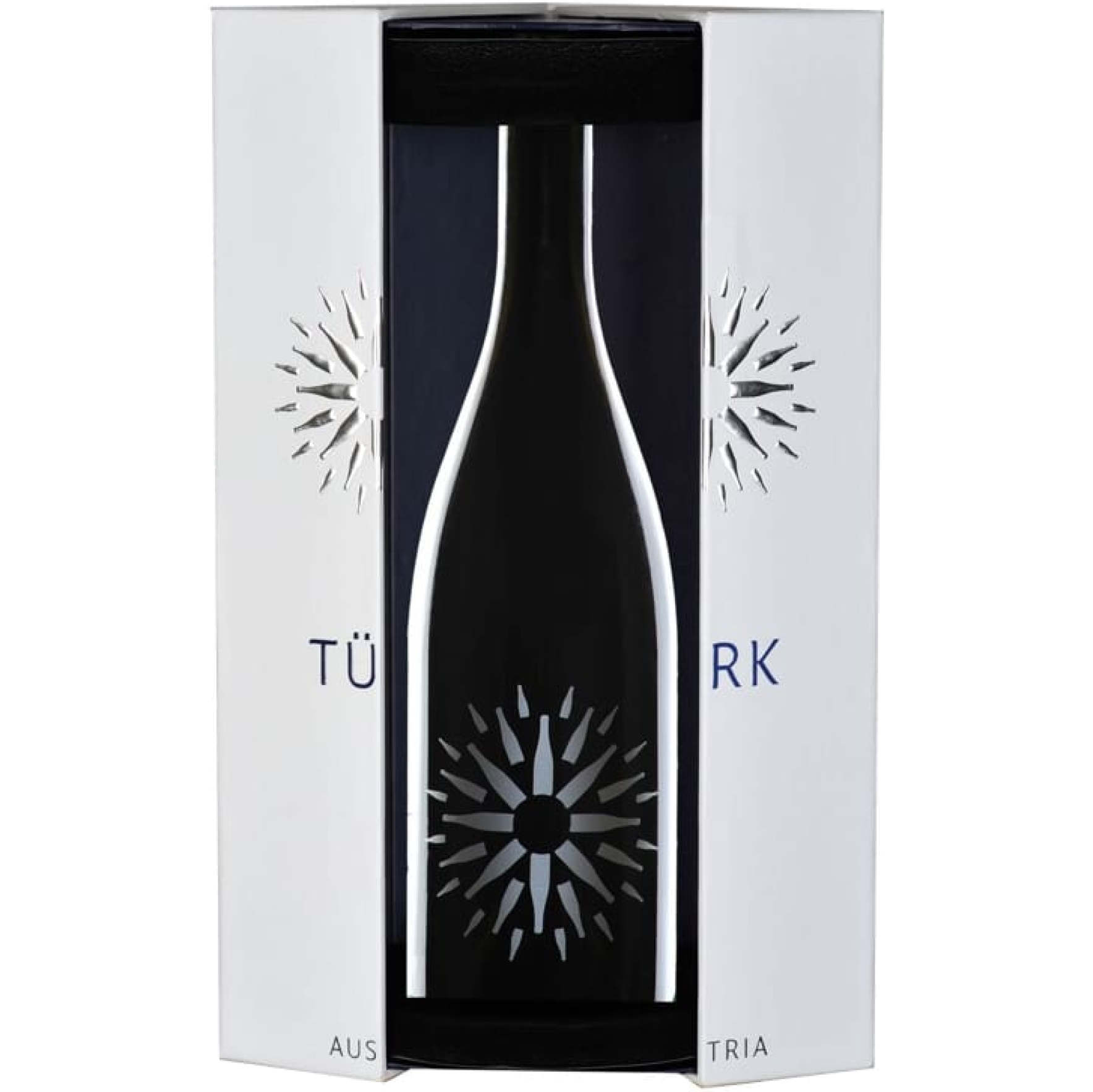
Türk shows how much the soil matters here in the most literal way: the estate designed the world’s first soil label, which records the geology of the vineyard in colour, so that the bottle itself tells you where the wine comes from. From the 2025 vintage onwards all wines are certified organic under control number AT-BIO-401. The estate is a member of the Traditionsweingüter Österreich and of the Kremstaler Convent.
The Late Release is a chapter of its own. Since the 2016 vintage Türk has set aside part of the harvest in an old, rented cellar. The bottles rest there for some five years before being released with an additional label — mature Veltliners and Rieslings that show where these wines travel when given time.
 Exclusive wines from around the world